Plans to treat all stroke patients in Warwickshire at University Hospital Coventry have sparked a backlash from health campaigners
Clinical Commissioning Groups across Coventry and Warwickshire are looking to combine emergency stroke treatment.
Proposals would see people sent to University Hospital Coventry (UHCW) for immediate treatment, with the majority then receiving care at home.
A consultation by the CCG’s closes on Sunday (February 2).
The 12 ‘acute’ emergency stroke beds at Warwick Hospital, and 18 beds at Nuneaton’s George Eliot Hospital would be removed and patients instead sent to UHCW.
The Coventry hospital would have its acute beds increased from 30 to 31, and ‘hyper acute’ beds doubled to 12.
Rugby St Cross would lose its six community rehabilitation beds while Leamington Rehabilitation Hospital would see an increase of one, taking its total to 21.
George Eliot in Nuneaton would have ten rehabilitation beds. It previously had none.
Patients from across Warwickshire could be sent to any of the hospitals for treatment.
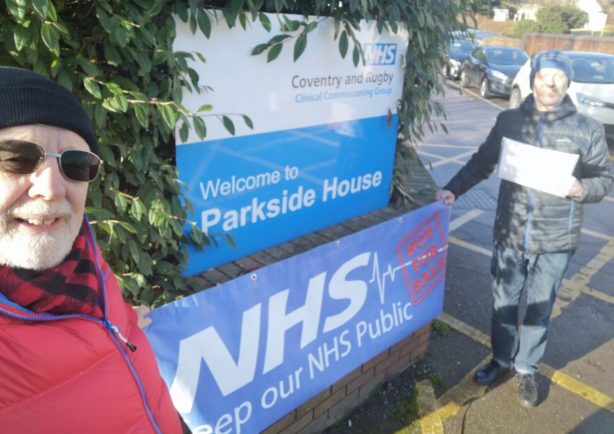
Campaigners from Coventry and Rugby Keep Our NHS Public allege plans put forward by the three clinical commissioning groups will lead to a net loss of 30 acute stroke beds as facilities in Warwick and Nuneaton are closed.
Secretary of the action group Dave Nellist, said “The transfer of all emergency care to University Hospital at Walsgrave will put further pressure on an already overcrowded hospital. We believe that additional ambulance travel times bringing all future stroke patients from Warwickshire, who previously went to more local facilities, into Coventry, could put lives at risk.”
The group has raised concerns over the likelihood of stroke patients discharged to at-home care, when they believe community health and social services are already overstretched and underfunded.
Mr Nellist added: “The increased cost and difficulties of travel, whether by car or public transport, will inevitably reduce visits for some families just at a time when patients need most support.”

COVENTRY MESSAGE BOARD
Website is subject to occasional intereference from an unknown source...
Patients' backlash over plans to combine stroke treatment
1 post
• Page 1 of 1
Patients' backlash over plans to combine stroke treatment
 by dutchman » Thu Jan 30, 2020 11:50 pm

-

dutchman - Site Admin
- Posts: 58830
- Joined: Fri Oct 23, 2009 12:24 am
- Location: Spon End
1 post
• Page 1 of 1
Who is online
Users browsing this forum: No registered users and 18 guests
-
- Ads
Powered by phpBB® Forum Software © phpBB Group
